What is antithrombin
and how does it work?
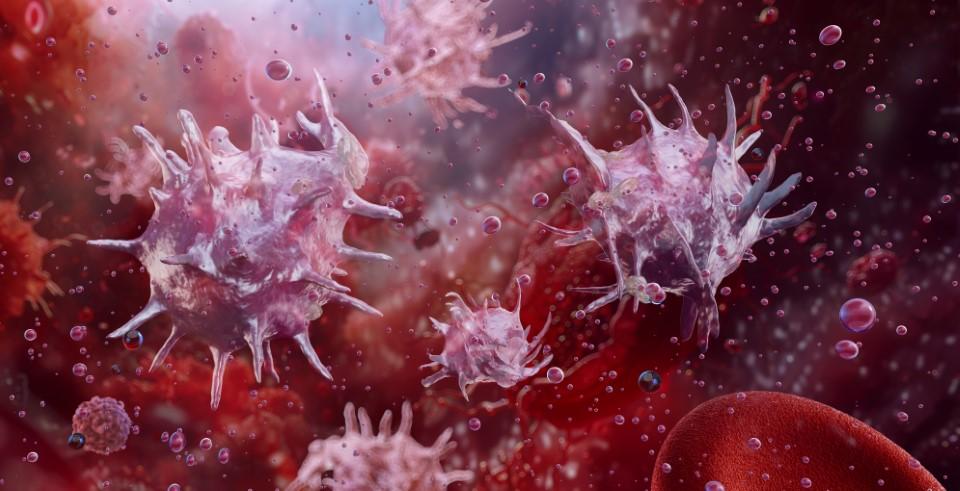
Antithrombin is a natural protein in your blood plasma that helps keep clotting in check. When injured, your body activates a step-by-step process called hemostasis, which creates a clot to stop bleeding.
How does antithrombin work?
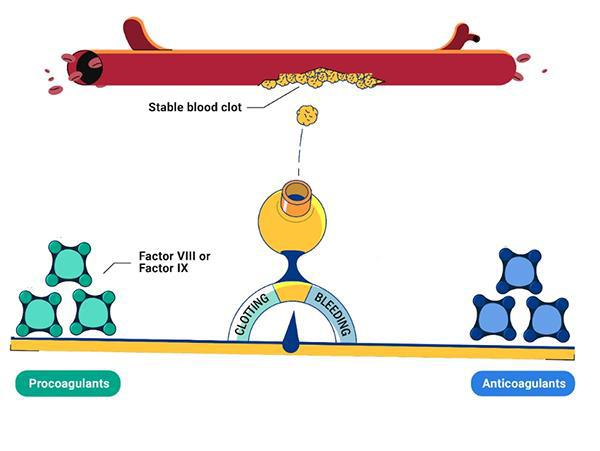
Antithrombin acts as an anticoagulant, meaning it helps prevent the blood from clotting. Normal hemostasis depends on a careful balance between proteins that help blood to clot (procoagulants) and those that prevent it from clotting too much (anticoagulants).
Antithrombin binds to certain procoagulant proteins that help your blood to form clots during an injury; this binding causes them to be removed from the blood. Maintaining this balance is essential to avoid overactivation of the blood-clotting system, which can lead to serious health problems.
Antithrombin activity levels and
antithrombin deficiency
Antithrombin activity is measured in the bloodstream. In adults, normal levels range from 80 to 120 IU/dL. Activity levels below 70 IU/dL are considered low and may indicate antithrombin deficiency.
What causes low antithrombin activity?
Low levels of antithrombin in the blood can occur for different reasons. Some people are born with a condition called congenital antithrombin deficiency, while others may develop low levels later in life due to health issues, such as liver disease—this is known as acquired antithrombin deficiency. The acquired form of antithrombin deficiency is much more common than its hereditary form.
Antithrombin deficiency and hemophilia
Antithrombin deficiency can also occur in people with hemophilia. When this happens, it can reduce how often and how severely they bleed, leading to a milder bleeding condition and longer periods without bleeding problems. This occurs because, when antithrombin levels are low, the body produces more thrombin, helping to restore hemostasis and increasing the chance of blood clotting.
Measuring and testing
antithrombin activity levels
There are two main tests for antithrombin: a functional test, which measures how well it works, and an antigen test, which measures how much antithrombin is in the blood. Doctors often start with the functional test because it’s quick, easy to automate, and readily available in many hospital laboratories.
Antithrombin lowering as a
treatment option for hemophilia
For many years, the standard treatment for hemophilia has been to restore hemostasis and prevent bleeding by replacing missing clotting factors such as Factor VIII and Factor IX. Clotting factor replacements are produced from donated blood or made in a laboratory and given intravenously (through your vein).
However, a common complication of clotting factor replacement is the development of inhibitors (or neutralizing antibodies). These inhibitors are proteins that normally protect your body from harmful foreign substances, but in this case, they block the clotting factor replacement from working properly. This occurs in about 30% of patients with hemophilia A and about 10% of patients with hemophilia B. Inhibitors usually develop early in treatment, especially in young children. When this happens, clotting factor replacements become ineffective.
Therefore, antithrombin-lowering treatments have been developed to help rebalance blood clotting in hemophilia by reducing natural anticoagulants, allowing clotting factors to work more effectively. Antithrombin-lowering treatments do not get neutralized by anti-factor inhibitors and can increase thrombin generation in patients with both hemophilia A and B, whether they have inhibitors or not.
It is not known if Qfitlia is safe and effective in children younger than 12 years of age.
Qfitlia can cause SERIOUS SIDE EFFECTS, including:
Abnormal blood clotting (thrombotic events): Serious blood clots have occurred in people treated with Qfitlia. Qfitlia can cause blood clots to form in the blood vessels in your arms, legs, lungs, heart, brain, eyes, or head. Your risk of blood clots is greater if your antithrombin (AT) blood level is persistently less than 15% or if you have certain other conditions. Your healthcare provider (HCP) will check your AT blood levels before and during treatment with Qfitlia
Gallbladder disease: Qfitlia can cause gallstones and inflammation of your gallbladder, which might require surgery to remove your gallbladder. Tell your HCP right away if you develop stomach pain, indigestion, nausea, or vomiting. Your HCP may temporarily or permanently stop Qfitlia if you develop any of these symptoms
What is the most important information I should know about Qfitlia?
Qfitlia helps your blood form clots. Do not stop using Qfitlia without talking to your HCP. If you miss doses or stop using Qfitlia, you may no longer be protected against bleeding.
Use of a clotting factor concentrate (CFC) or bypassing agent (BPA) to help protect against bleeding must be stopped within 7 days after your first dose of Qfitlia.
Your HCP may prescribe on-demand CFC or BPA if you bleed during treatment with Qfitlia. Carefully follow your HCP’s instructions regarding when to use on-demand treatment with CFC or BPA, including the prescribed dose and timing of the CFC or BPA.
Get medical help right away if you get any of these signs or symptoms of blood clots during or after treatment with Qfitlia:
- Swelling, pain, or redness in arms or legs
- Coughing up blood
- Shortness of breath
- Severe chest pain or tightness of the chest
- Fast heart rate
- Feeling faint or passing out
- Severe or persistent headache
- Difficulty speaking or understanding language
- Feeling confused
- Numbness or weakness in your face, arms, or legs
- Sudden loss or changes in your vision, eye pain, or swelling
What are the possible side effects of Qfitlia?
Qfitlia can cause other serious side effects, including an increase in your blood liver enzymes. Your HCP will do blood tests to check your liver function before and during treatment with Qfitlia
The most common side effects of Qfitlia include viral infection, common cold symptoms, and bacterial infection
These are not all the possible side effects of Qfitlia.
What should I tell my HCP before using Qfitlia?
Tell your HCP about all of your medical conditions, including if you have liver problems, a history of gallbladder disease, are pregnant or plan to become pregnant, or are breastfeeding or plan to breastfeed
Females who are able to become pregnant: Hormonal birth control may increase your risk of blood clots if used during treatment with Qfitlia. Talk to your HCP about effective forms of non-hormonal birth control you can use before starting and during treatment with Qfitlia
Tell your HCP about all of the medicines you take, including prescription and over-the-counter medicines, vitamins, and herbal supplements